MEALS THAT HEAL™
MEALS THAT HEAL™ is our science-based system designed to build strength, reduce body fat, support brain-gut health, and regulate inflammation — key factors in long-term metabolic health and chronic disease prevention.
Through a combination of strength training, physical-therapy—based movement, nervous system regulation, and whole-food, plant-based nutrition, the program supports sustainable healing, performance, and full-body wellness from the inside out.
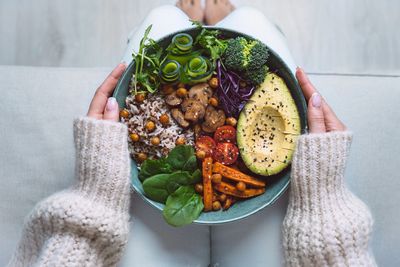
THERE ARE MANY URGENT REASONS TO START TRANSITIONING TODAY
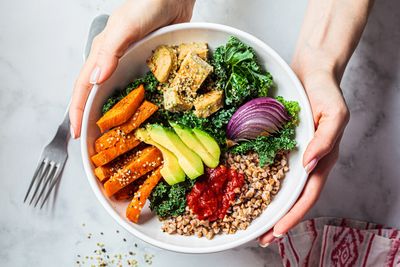
PREVENT DISEASE
Whole-food, plant-based diets are strongly associated with lower rates of heart disease, type 2 diabetes, obesity, and many cancers. The fiber, antioxidants, and anti-inflammatory compounds found in plant foods not only protect cells and support the immune system but also promote gut health and improve blood sugar control. In contrast, diets high in animal products and saturated fat lead to inflammation and metabolic disease. Transitioning to plant-based eating is the most effective ways to enjoy MEALS THAT HEAL™ preventing chronic illness and protecting long-term health.
CLIMATE CHANGE
Animal agriculture is the largest contributors to water pollution and climate change, producing significant amounts of methane and nitrous oxide — greenhouse gases that trap far more heat than carbon dioxide. Additionally, it requires considerably more land, water, and energy than plant-based food production. By shifting toward plant-based eating, individuals can not only reduce their carbon footprint and slow global warming but also promote better gut health. Embracing MEALS THAT HEAL™ through plant-based diets is the most effective ways to achieve this.
DEFORESTATION
Every year, millions of acres of rainforest and wild ecosystems are cleared to grow soy and grain for livestock feed instead of direct human consumption. 80% of global soy is fed to livestock (chickens, pigs, cows), This destruction not only harms wildlife habitat and releases stored carbon into the atmosphere but also undermines the planet’s natural climate-regulating systems. By choosing plant-based foods, which are featured in MEALS THAT HEAL™, you can enhance your gut health while reducing the demand for land-intensive animal agriculture, ultimately helping to protect forests, biodiversity, and Earth’s ability to store carbon.
GLOBAL FOOD JUSTICE
Most of the world’s grain and soy crops are fed to animals instead of being used to nourish people, even as millions of children in low-income countries suffer from hunger and malnutrition. Producing meat requires far more food, land, and water than cultivating plant foods, making the system deeply inefficient and unjust. By shifting toward plant-based diets, we can grow more food that directly supports human nourishment, which not only aids in reducing global hunger but also enhances food security and promotes gut health. Embracing MEALS THAT HEAL™ contributes to a more equitable food system.
WATER CONTAMINATION
Large-scale animal agriculture is a major source of water pollution, releasing manure, antibiotics, hormones, and pathogens into rivers, lakes, and groundwater. Runoff from livestock farms and slaughterhouses contaminates drinking water supplies, increases toxic algae blooms, and harms both human and aquatic life. Transitioning to plant-based food systems not only supports gut health but also dramatically reduces this pollution, helping to protect clean, safe water for communities and future generations. Embracing these MEALS THAT HEAL™ is essential for a sustainable future.
ANIMAL SUFFERING
Billions of sentient animals are raised in industrial systems where they experience abuse, confinement, fear, pain, and distress before being slaughtered. These beings are capable of feeling, bonding, and suffering, yet their lives are treated as disposable for food that humans do not need to survive or thrive. Choosing plant-based foods is a direct way to reduce this suffering and prevent disease, aligning our eating with compassion and ethical responsibility. By opting for MEALS THAT HEAL™ we not only nourish ourselves but also contribute to a more humane world.

WHY THIS MATTERS NOW
The choices we make today shape the health of our bodies, our children, and our planet — and whether we continue to support systems rooted in animal suffering.
Chronic disease, climate instability, and global hunger are not separate crises. They are all driven by the same broken industrial food system.
By choosing whole-food, plant-based nutrition, we protect gut and metabolic health, reduce inflammation, and stop funding practices that harm animals, people, and the Earth. This way of eating nourishes the body while aligning with compassion, sustainability, and justice.
MEALS THAT HEAL™ is more than food — it is a shift toward healing on every level: human health, animal lives, and the future of our planet.
NUTRITION COACHING

Personalized, whole-food, plant-based nutrition designed to support body recomposition, metabolic health, digestive wellness, and long-term chronic disease prevention.
Every nutrition client receives a customized MEALS THAT HEAL™ plan built around whole foods, flexible macros, and sustainable habits—not restriction, detoxes, or quick fixes.
FOUNDATIONAL NUTRITION PLAN — $120
A one-time personalized nutrition blueprint including:
• Calorie and macro targets
• Whole-food, anti-inflammatory meal framework
• Protein, fiber, and nutrient optimization
• Meal guidance and implementation strategies
REQUIRED BEFORE BEGINNING NUTRITION COACHING
ONGOING NUTRITION COACHING — $300/MONTH
Includes:
• Personalized MEALS THAT HEAL™ plan
• Bi-weekly nutrition adjustments
• Food log review and feedback
• Weekly text support
• Lab-informed wellness education
• Ongoing guidance for body composition, energy, digestion, and metabolic health
Want to learn more? Watch the documentaries: What The Health The Game Changers Movie Forks over Knives How not to Die For science-backed insights into plant-based living.